How to Make Restaurant-Quality Salads at Home
Ever wonder why salads from restaurants taste so much better than the ones you make at home? It’s not just about the ingredients—it’s about the technique. Restaurant-quality salads are fresh, flavorful, and perfectly balanced in texture and taste. The good news? You can recreate that magic in your kitchen with a few simple tricks.
In this guide, we’ll break down the secrets to making gourmet salads at home, from selecting the best ingredients to mastering homemade dressings and adding the perfect finishing touches.
1. Start with Fresh, High-Quality Ingredients
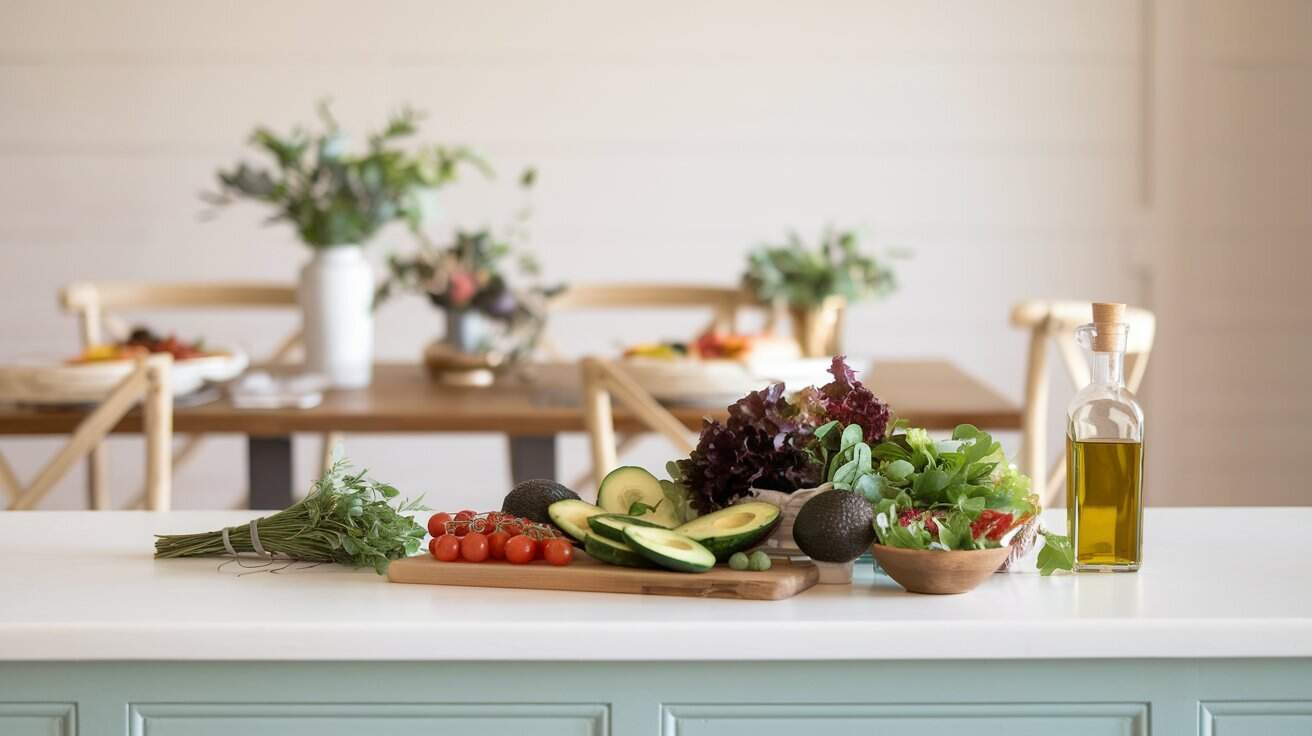
A great salad begins with fresh, vibrant ingredients. Follow these tips to ensure your base is restaurant-worthy:
- Use a mix of greens – Combine different textures and flavors, such as romaine, arugula, spinach, and butter lettuce.
- Buy seasonal produce – Fresh, in-season fruits and vegetables will enhance the flavor of your salad.
- Wash and dry properly – Rinse your greens thoroughly and use a salad spinner to remove excess water for crispiness.
- Keep herbs fresh – Use fresh herbs like cilantro, parsley, or dill to add flavor.
- Try different lettuce varieties. For added complexity, don’t just stick to an iceberg; try red leaf, escarole, or frisée.
Why Freshness Matters
Fresh produce has a higher nutritional value and better flavor. When ingredients are past their prime, they lose their crunch and become less appealing. To keep ingredients fresh:
- Store greens in a damp paper towel inside an airtight container.
- Keep dressings separate until serving to prevent wilting.
- Purchase ingredients from local farmers’ markets for peak freshness.
2. Layer Flavors and Textures
One reason restaurant salads stand out is their balance of flavors and textures. Here’s how you can achieve that at home:
- Crunchy Elements – Add nuts (almonds, pecans, walnuts), seeds (sunflower, pumpkin), or crispy chickpeas.
- Creamy Components – Include avocado, goat cheese, feta, or a soft-boiled egg.
- Sweet Notes – Incorporate dried fruits, fresh berries, or honey-roasted nuts.
- Savory Additions – Use grilled chicken, smoked salmon, or marinated tofu for protein.
- Umami Boosters – Sprinkle some Parmesan cheese, add olives, or toss sundried tomatoes.
Pairing Textures for Maximum Impact
A salad should have a mix of soft, crunchy, and crisp textures. Here are some recommended pairings:
- Crunchy & Creamy: Walnuts and blue cheese.
- Savory & Sweet: Bacon and sliced pears.
- Earthy & Fresh: Roasted beets and arugula.
- Crisp & Soft: Romaine lettuce with grilled shrimp.
3. Master the Art of Homemade Dressings
Dressing can make or break your salad. The key to a great dressing is using quality ingredients and balancing flavors:
Classic Vinaigrette Recipe
- 3 tablespoons extra virgin olive oil
- 1 tablespoon balsamic or red wine vinegar
- 1 teaspoon Dijon mustard
- 1 teaspoon honey or maple syrup
- Salt and pepper to taste
- (Optional) Minced garlic or shallots for extra flavor
Instructions: Whisk or shake all ingredients in a jar until emulsified.
Other Dressing Ideas
- Lemon Tahini Dressing – Perfect for Mediterranean-style salads.
- Avocado Lime Dressing – A creamy option packed with healthy fats.
- Spicy Peanut Dressing – Great for Asian-inspired salads.
- Yogurt Herb Dressing – A tangy, probiotic-rich choice.
Tips for Better Dressings
- Use high-quality oils (extra virgin olive oil, avocado oil).
- Balance acidity with a touch of sweetness.
- Always season with salt and pepper.
- Experiment with fresh herbs for unique flavors.
4. Elevate Your Presentation
Presentation is another reason restaurant salads feel special. Try these tips:
- Use a large bowl – This allows for better tossing and even dressing distribution.
- Arrange ingredients thoughtfully – Layer toppings instead of dumping everything on top.
- Garnish with fresh herbs – Chopped parsley, basil, or cilantro add freshness and visual appeal.
- Add an edible garnish – Try microgreens, edible flowers, or citrus zest.
Plating Like a Pro
- Use contrasting colors for a visually appealing dish.
- Serve in shallow, wide bowls rather than deep ones.
- Add the dressing right before serving to keep the salad fresh.
5. Experiment with Proteins and Grains
A simple way to make salads more satisfying is by adding protein and grains:
- Protein Options: Grilled chicken, shrimp, hard-boiled eggs, smoked salmon, chickpeas, or tofu.
- Whole Grains: Quinoa, farro, bulgur, or wild rice add heartiness and nutrition.
Protein Pairings for the Best Flavor
- Quinoa + Chickpeas + Feta – A Mediterranean delight.
- Farro + Grilled Steak + Roasted Veggies – A hearty salad.
- Wild Rice + Smoked Salmon + Dill Yogurt Dressing – A fresh, balanced meal.
6. Don’t Forget the Finishing Touches
The final step is adding extra layers of flavor:
- Freshly ground pepper and sea salt – Enhances overall taste.
- A squeeze of citrus – Brightens the flavors (lemon, lime, or orange juice).
- A drizzle of high-quality olive oil – Adds richness and depth.
- Crispy toppings – Consider homemade croutons or toasted pita chips.
Making Your Croutons
- Cube stale bread.
- Toss with olive oil, garlic, and herbs.
- Bake at 375°F for 10-15 minutes until golden and crispy.
Final Thoughts
Making restaurant-quality salads at home is easier than you think. You can create salads that rival your favorite restaurant’s menu by focusing on fresh ingredients, balancing textures, mastering homemade dressings, and paying attention to presentation.
Next time you prepare a salad, try these expert techniques and notice the difference. Do you have a favorite salad trick? Please share it in the comments below!
Pro Tip: Want to master salad-making from a culinary perspective? This Serious Eats is like a salad boot camp—super helpful if you want to level up your greens game.
Related Posts: