Atomic Habits in Action: What I Learned After 60 Days of Changes
Big goals are exciting, but let’s be honest: they can also be overwhelming. That’s why I decided to try something different, focusing on tiny changes inspired by James Clear’s bestselling book, Atomic Habits. I committed to making 60 small, consistent shifts in my routines. Here’s what happened, what worked (and didn’t), and how you can apply these lessons in your own life.
This post contains affiliate links. As an Amazon Associate, I earn from qualifying purchases. If you click on an affiliate link and make a purchase, I may receive a commission at no additional cost. Additionally, some content on this site has been created with the assistance of AI.
1. The Magic of 1% Improvements
Tiny daily changes compound over time, much like the concept of marginal gains championed in various fields. I started with small habits: making my bed, writing a single line in my journal, and doing five minutes of stretching.
Picture This:
Imagine your life like a snowball. Each tiny habit adds a layer of snow. At first, it looks like nothing, but keep rolling it, and suddenly, you’re pushing something massive without even realizing how it got so big.
What I Learned:
- It’s okay to start small. Ridiculously small, even.
- Momentum builds naturally once the habit becomes automatic.
How to Apply It:
Pick one habit that takes less than two minutes and commit to it daily. Don’t scale up until it feels effortless.
2. Environment is Everything
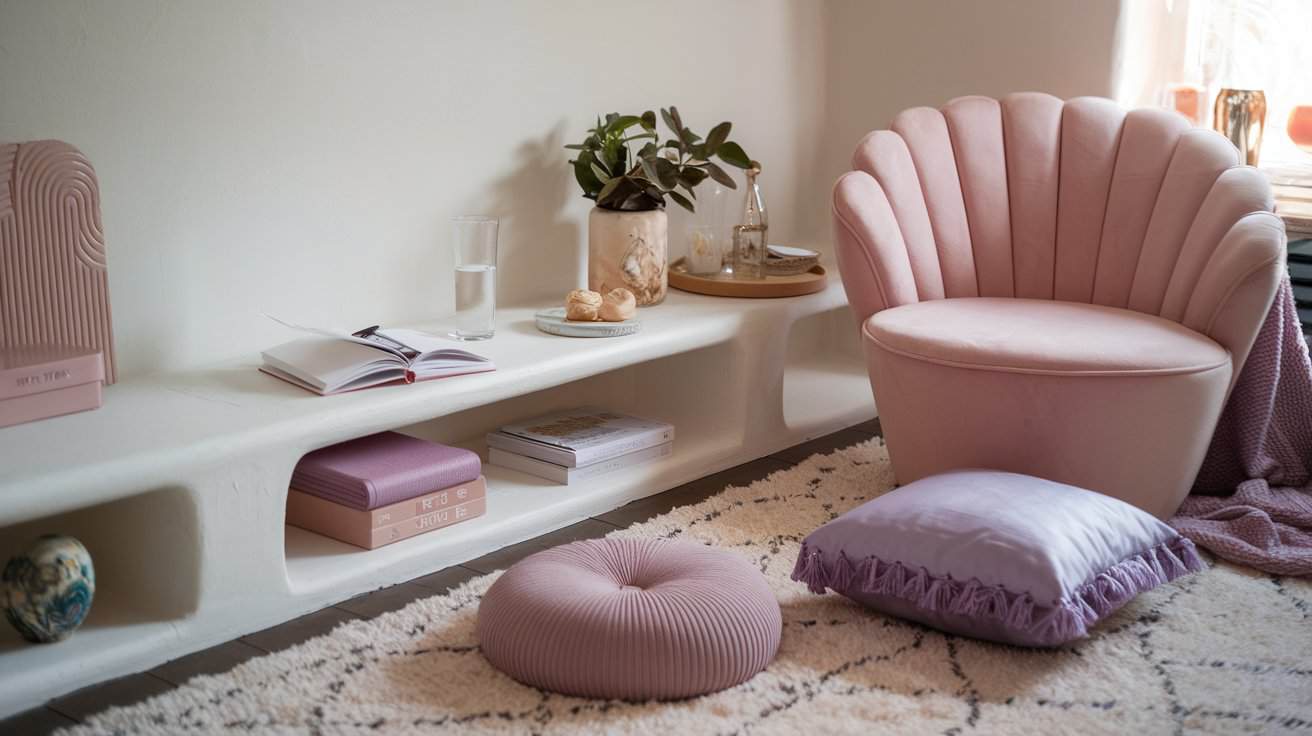
I quickly learned that my surroundings either helped or hindered my progress. Leaving a book on my pillow reminded me to read before bed. Putting my journal on my desk encouraged reflection.
Picture This:
Your home becomes a quiet coach whispering, “You’ve got this.” A yoga mat waiting in the corner, a water bottle beside your laptop—each item nudges you gently toward the life you want.
What I Learned:
- Willpower fades, but cues in your environment do the heavy lifting.
- Changing my surroundings made it easier to default to good choices.
How to Apply It:
Want to drink more water? Put a glass on your nightstand. Want to read? Place your book in plain sight.
3. Identity-Based Habits Are Game-Changers
I stopped saying, “I want to write daily,” and started saying, “I’m a writer.” That mental shift was everything. It made daily writing a reflection of who I am, not just something on my to-do list.
Picture This:
Instead of chasing goals, you begin embodying the kind of person who lives those goals every day. You are the routine.
What I Learned:
- When you identify with your habits, they stick longer.
- This shift boosts your confidence because it reinforces your sense of self.
How to Apply It:
Change the narrative. Don’t just say, “I run.” Say, “I’m a runner.” Then, act accordingly.
4. Habit Stacking Made Consistency Easy
Linking a new habit to an existing one worked wonders. For example, after I made coffee, I did a 5-minute gratitude practice. After brushing my teeth, I reviewed my to-do list.
Picture This:
Your day becomes a rhythm of intentional triggers. Each habit cues the next like dominoes falling in perfect order.
What I Learned:
- Stacking new behaviors on top of existing ones alleviated decision fatigue.
- It made routines feel seamless rather than forced.
How to Apply It:
Use this formula: After [current habit], I will [new habit]. Keep it tiny.
5. Tracking = Motivation
Seeing a visual streak of my progress kept me going. I used a habit tracker app and crossed off each day I completed my tiny habits.
Picture This:
A row of checkmarks marching across your calendar, each one proof that you’re showing up for yourself.
What I Learned:
- Progress feels more real when you track it.
- I didn’t want to “break the chain,” and that kept me committed.
How to Apply It:
Choose a method: a paper calendar, a notebook, or an app like Habitica or Streaks. Just make it visible.
6. Motivation Isn’t the Point
I had plenty of days when I didn’t feel like doing anything. But because the habits were so small, I rarely skipped. I didn’t need motivation—I just needed to follow through.
Picture This:
You’re brushing your teeth half-asleep. It’s not exciting, but you still do it. Habits should feel automatic.
What I Learned:
- Don’t wait to “feel like it.”
- Simplicity makes habits stick, even on hard days.
How to Apply It:
Design your habits to be so easy that you can do them even when you are tired, sad, or busy.
Final Thoughts: Small Changes, Big Shifts
After 60 days of micro-habits, I didn’t feel like a new person overnight. But I did feel aligned, confident, and more in control. That’s the quiet power of tiny, consistent actions.
If you’ve been struggling to create lasting change, start small—small. One line. One glass of water. One push-up. Then, build from there. Because, as I’ve learned firsthand, those atomic habits? They truly yield significant results over time.
You Might Also Like: