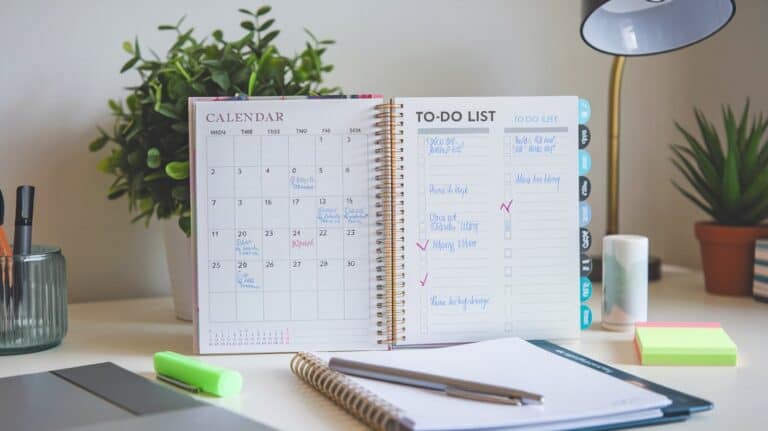

Goals vs. Intentions: Why You Need Both (And When to Use Them)
When considering goals vs. intentions, we often hear the advice to “set goals” or “live with intention,” but rarely are we taught how to use both tools together. Goals and intentions serve different purposes—but when they work in harmony, they create a robust foundation for personal growth.
This post contains affiliate links. As an Amazon Associate, I earn from qualifying purchases. If you click on an affiliate link and make a purchase, I may receive a commission at no additional cost. Additionally, some content on this site has been created with the assistance of AI.
This post will guide you through the distinction between goals and intentions, when to use each, and how combining them can make your growth journey more effective and fulfilling.
1. What’s the Difference Between a Goal and an Intention?
Goals are results-driven. They’re external, measurable outcomes—such as saving $5,000, running a half-marathon, or publishing a book.
Intentions are energy-driven. They focus on how you want to feel or show up—like moving through the day with ease, being more present, or creating from a place of joy.
Picture This:
You set a goal to exercise three times a week, but you intend to care for your body with kindness and consistency. That intention makes the goal feel purposeful, not punishing.
Why You Need Both:
- Goals give direction and structure
- Intentions give meaning and flow
2. When to Set Goals

Goals are most useful when you want to measure progress or hit a milestone. They’re motivating when you’re trying to track tangible results or develop long-term discipline.
Use goals when:
- You want to complete something specific (e.g., take a course, launch a product)
- You need a clear roadmap
- You want to break down tasks into manageable steps
Helpful Tool: Use a daily task planner, such as this minimalist habit tracker notepad, to stay focused on small wins that contribute to your overall goal.

Pro Tip: Goals work best when they follow the SMART format—Specific, Measurable, Achievable, Relevant, and Time-bound. Before setting one, ask yourself: “Can I measure this? Can I realistically achieve it within a set timeframe?”
3. When to Set Intentions

Intentions are helpful when you’re navigating internal shifts or emotional growth. They ground you in the why, especially when progress isn’t linear.
Use intentions when:
- You’re cultivating a mindset or emotional state (like patience or gratitude)
- You’re trying to reconnect with yourself after burnout
- You want to slow down and bring mindfulness into your day
Helpful Ritual: Light a Chesapeake Bay Mind & Body Candle, journal your intention each morning, and breathe into it before starting your day.

Bonus Tip: Try writing your intention on a sticky note or index card and placing it where you’ll see it often—such as your mirror, laptop, or nightstand.
4. How to Pair Goals and Intentions Together

Using goals and intentions in tandem can prevent burnout and keep your motivation grounded in purpose. Pair each goal with a supporting intention that reflects the feeling behind it.
Example Pairs:
- Goal: Write three blog posts this month
- Intention: Create from clarity and inspiration
- Goal: Improve sleep quality
- Intention: Prioritize rest as an act of self-care
- Goal: Launch your freelance service
- Intention: Move with confidence and integrity
How to Do It:
Write both at the top of your planner or whiteboard. Revisit them daily to stay aligned in both effort and energy.
Printable Option: Consider using a side-by-side chart or a two-column worksheet—one column for goals and the other for intentions. This can help you see how they work in tandem.
5. What to Do When You Feel Off Track

Sometimes, our goals lose their excitement or we lose steam halfway through. This is where intentions become your anchor. When things get chaotic or your results stall, intentions remind you why you started.
Picture This:
You didn’t meet your weekly workout goal, but you still chose rest with intention. You honored your body instead of pushing past its limits.
Reflection Prompts:
- What was my intention this week, and did I live it?
- Is this goal still aligned with the life I want to lead?
- How can I shift the pressure into purpose?
Journaling Bonus: Set aside a section in your journal to revisit your goals and intentions every week. Write down what felt aligned and what needs to shift.
6. Making This a Sustainable Practice

The magic is in consistency. Goals and intentions are most potent when they’re part of your rhythm—not just something you revisit once a year.
How to Make It Stick:
- Start your week with a Sunday ritual: light a candle, review the past week, and set 1–2 clear goals and intentions
- Create a visual board or digital tracker to keep your focus visible
- Celebrate small wins often—track progress and emotional shifts equally
Recommended Tool: Use a journal or digital platform like Notion or Trello to organize your monthly goals and intentions in one place.
Final Thoughts: Structure Meets Soul
Think of goals as the map and intentions as the mood. One tells you where you’re going, the other reminds you how to feel along the way. You don’t have to choose between structure and soul—you get to use both.
Would you like a printable template for setting weekly goals and intentions together? Let me know!
You Might Also Like: