
Life in Quarters: How to Plan Your Year in 90-Day Cycles
Most people plan their year in January, set big goals, and hope for the best. However, understanding life in quarters could drastically improve this strategy, allowing for better goal management. By March, motivation fizzles, and by June, those New Year’s resolutions feel like ancient history.
That’s where the 90-day cycle comes in. Breaking your year into four focused quarters allows you to set sharper goals, track progress more clearly, and adjust quickly when life changes — without the overwhelm of a 12-month plan.
This post contains affiliate links. As an Amazon Associate, I earn from qualifying purchases. If you click on an affiliate link and make a purchase, I may receive a commission at no additional cost. Additionally, some content on this site has been created with the assistance of AI.
Here’s how to make quarterly planning your secret weapon for productivity, balance, and personal growth.
1. Understand Why 90 Days Works
A year is too long for most of us to stay motivated, but a month can feel too short to make meaningful progress. Ninety days hits the sweet spot — it’s long enough to achieve big wins but short enough to keep urgency high.
Picture This:
Instead of staring at a year-long to-do list, you’re looking at a single, focused page labeled “April – June.” There are just a handful of clear goals, each with steps you can realistically take in the next 12 weeks.
Why It Works:
- Creates urgency without burnout.
- Allows flexibility to adapt every three months.
- Builds momentum with repeated short-term wins.
2. Pick a Theme for Each Quarter
A theme sets the tone for your quarter and keeps your goals aligned. It could be a skill you want to master, a personal project, or even a mindset you want to strengthen.
Picture This:
It’s July, and your quarterly theme is “Simplify and Streamline.” Every choice you make — from decluttering your workspace to automating bills — feeds into this bigger vision.
Examples of Quarterly Themes:
- Q1: Build Strong Foundations (health, routines, finances)
- Q2: Growth & Expansion (career, skills, networking)
- Q3: Simplify & Streamline (decluttering, efficiency)
- Q4: Rest & Reflect (self-care, reviewing progress)
3. Set 3–5 Key Goals Per Quarter
Too many goals lead to scattered focus. Instead, choose three to five key priorities for each quarter. This gives you enough variety without diluting your energy.
Picture This:
Your Q2 list reads:
- Launch new website.
- Run 5K without stopping.
- Save $1,000 for travel.
They’re written on a small sticky note — and because it’s only a few, you can remember them.
Pro Tips:
- Make them specific and measurable.
- Break each into monthly and weekly actions.
- Ensure they connect to your annual vision.
4. Create a 12-Week Action Plan
Once you have your goals, map them out over the 12 weeks. Assign deadlines, milestones, and action steps to ensure steady and intentional progress.
Picture This:
Your calendar shows “Week 1: Set up hosting,” “Week 2: Design homepage,” “Week 3: Write copy.” Each week builds on the last, moving your website launch closer to reality.
Tools to Help:
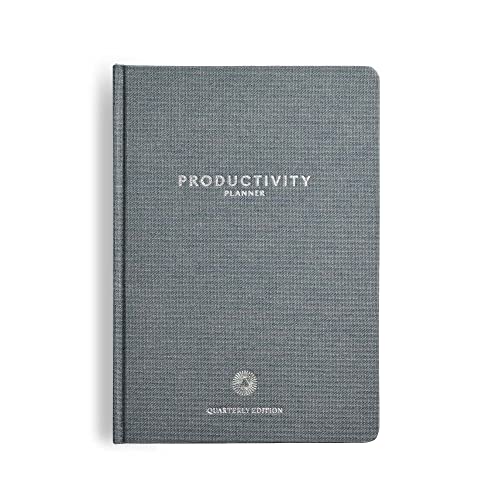
- Use a quarterly planner to track your progress visually.
The Intelligent Change 3-Month Productivity Planner is a notable tool designed for time management and mindfulness, which is why it has been included in many "best of" lists. Here are a few reasons why this planner stands out:
Comprehensive Planning: This planner not only encourages effective daily organization with its tear-out to-do lists but also supports monthly planning, making it suitable for both short-term and long-term goals.
Mindfulness and Productivity: Beyond just task management, the planner features mindfulness tools, including inspirational quotes, habit tracking, and mood tracking. This holistic approach is ideal for users seeking to balance productivity with personal well-being.
Customization and Flexibility: The undated format of the planner provides users with the flexibility to start at any time, eliminating the worry of wasted pages and making it ideally customizable.
User-Friendly Design: Its minimalist design, combined with self-growth prompts and productivity scoring, helps users stay focused and accountable, fostering a sense of accomplishment as they notice their progress.
Eco-Friendly Production: Users who are conscious about the environment will appreciate that the planner is made from recycled materials, aligning with sustainable practices.
- Try digital tools like Notion or Trello for an interactive timeline.
- Include small rewards at key milestones.
5. Review and Adjust Every 30 Days
Don’t wait until the quarter ends to check in. A monthly review lets you see what’s working and pivot before it’s too late.
Picture This:
It’s the end of Month 1, and you’re at your favorite coffee shop with your planner and pen. You review what you’ve accomplished, cross off completed tasks, and adjust the rest to fit your current pace.
Monthly Review Questions:
- Am I on track to meet my quarterly goals?
- What’s slowing me down?
- What can I simplify or delegate?
6. Celebrate at the End of Each Quarter
Recognition keeps motivation alive. Whether it’s a small treat or a weekend trip, celebrating progress reinforces your habit of consistent action.
Picture This:
You close your laptop on the last Friday of the quarter, light a candle, and pour a glass of your favorite drink. You flip through your quarterly planner and smile at the checked boxes.
Celebration Ideas:
- Treat yourself to a new book or class.
- Have a nice dinner out.
- Take a weekend getaway.
Final Thoughts: Four Chances to Win, Every Year
When you plan your life in quarters, you don’t just get one shot at achieving your goals each year — you get four. The 90-day cycle keeps your vision fresh, your focus sharp, and your momentum alive.
Start small by picking your first quarterly theme and watch how much progress you can make in just 12 weeks.
You Might Also Like: