

How to Build Self-Trust After Constant Second-Guessing
You make a decision and immediately start questioning it. “Was that the right choice?” “Should I have done it differently?” “What if I mess it up?” Sound familiar? Learning how to build self-trust can help silence these doubts.
This post contains affiliate links. As an Amazon Associate, I earn from qualifying purchases. If you click on an affiliate link and make a purchase, I may receive a commission at no additional cost. Additionally, some content on this site has been created with the assistance of AI.
If you’ve spent years second-guessing yourself, you’re not broken. You’ve been conditioned to doubt your instincts, maybe through criticism, perfectionism, or a lifetime of trying to make everyone else happy first.
But here’s the truth: self-trust isn’t something you either have or don’t, it’s something you rebuild, one small promise at a time.
Let’s explore how to strengthen that inner trust again, gently and consistently.
1. Start by Noticing When You Doubt Yourself
You can’t rebuild self-trust if you’re unaware of how often you break it. The first step is noticing the voice of doubt, the one that questions every choice you make.
Picture This:
You’re standing in the grocery store, holding two brands of coffee. You keep picking one up, then the other, thinking, “What if I choose wrong?” It’s a tiny decision, but it feels heavy, not because the coffee matters, but because trusting yourself does.
How to Apply It:
- Observe without judgment. Just notice when you hesitate, overthink, or defer to others.
- Ask yourself: “What would I choose if I trusted myself right now?”
- Journal about these moments — patterns will start to emerge.
Product Picks:
- Pocket-sized reflection journal to note your daily “doubt moments.”

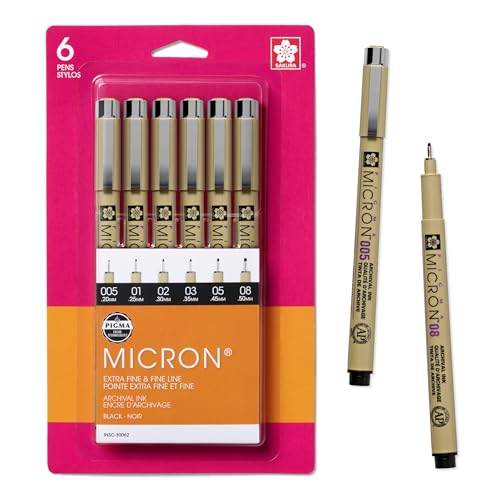
- Soft grip pens for mindful, intentional writing.
Mindset Shift:
Awareness is the first act of self-trust; it says, “I’m paying attention to me again.”
2. Keep One Small Promise to Yourself Every Day
Self-trust grows through consistency, not grand gestures. Every time you keep a small promise, no matter how minor, your brain learns, “I can rely on myself.”
Picture This:
You tell yourself you’ll drink a full glass of water before coffee. You do it. It’s small, almost invisible, but your mind registers the signal: I follow through.
How to Apply It:
- Start with a micro-commitment: one small thing you’ll do daily.
- It could be stretching for 2 minutes, journaling for 1 line, or simply taking a deep breath before your day begins.
- Check in weekly, not to judge, but to celebrate consistency.
Product Picks:
- Motivational water bottle to encourage follow-through.

- Habit tracker to visualize your progress.

Mindset Shift:
Tiny promises are powerful; they rebuild faith where doubt once lived.
3. Stop Outsourcing Every Decision
When you’ve lost self-trust, it’s easy to rely on others for answers, even for small choices. But trusting others too often can silence your intuition.
Picture This:
You text a friend: “Do you think I should buy this?” But deep down, you already know your answer; you need permission to choose it.
How to Apply It:
- Before asking for input, pause. Ask yourself what you think first.
- Try this exercise: make three small decisions each day without asking anyone’s opinion.
- Write down how each one felt, and notice the difference between relief and discomfort.
Product Picks:
- Guided decision journal to reflect on choices and outcomes.

- Tabletop affirmation frame as a daily visual reminder: “I can trust myself.”

Mindset Shift:
You don’t need validation, you need repetition. Every choice strengthens your inner compass.
4. Reframe “Mistakes” as Data, Not Failure
Most people lose self-trust not because they lack wisdom, but because they’ve punished themselves for past mistakes. But mistakes don’t define your intuition; they refine it.
Picture This:
You think back to a time you made a wrong call — on a job, a relationship, a move — and it still stings. But when you trace the story, you realize: you learned something vital. Every “wrong turn” adds to your inner map.
How to Apply It:
- List three past mistakes, and one thing you learned from each.
- Replace “I shouldn’t have” with “Now I know that…”
- Remember: your future self benefits from every lesson your past self lived through.
Product Picks:
- Growth mindset workbook for reframing failure.

- Candle set for reflection for mindful journaling sessions.

Mindset Shift:
Every decision taught you something, and that’s the foundation of trust.
5. Tune Back Into Your Body’s Signals
Your body always knows before your brain catches up. That gut feeling, the heaviness in your chest, the lightness in your heart, they’re all clues from your intuition.
Picture This:
Before saying yes to something, you pause and notice a tightness in your stomach. That’s not anxiety, that’s information. Your body is whispering, “This isn’t right for me.”
How to Apply It:
- Practice “body check-ins” before making decisions: What feels open vs. closed?
- Keep a note of physical cues; over time, you’ll start to recognize patterns.
- Use movement (like stretching or walking) to reconnect with your intuition.
Product Picks:
- Yoga mat with alignment guides for grounding exercises.

- Essential oils roller to pair with breathwork.

Mindset Shift:
Self-trust isn’t just mental; it’s physical wisdom you can relearn to hear.
6. Let Go of the Need to Be Perfect Before You Begin
If you wait to be 100% sure before making decisions, you’ll never move. Trust grows from action, not certainty.
Picture This:
You’ve been planning to start a project, but fear of “getting it wrong” keeps you frozen. One day, you finally take a small, imperfect step and realize nothing bad happens. The world doesn’t end. You actually feel free.
How to Apply It:
- Permit yourself to begin before you feel ready.
- Adopt this mantra: “I’ll figure it out as I go.”
- Treat every new step as an experiment, not a test.
Product Picks:
- Daily affirmation cards.

- Soft notebook for messy drafts — because done is better than perfect.

Mindset Shift:
Confidence doesn’t come before action; it’s built through it.
7. Speak to Yourself Like Someone You Trust
Rebuilding self-trust also means changing your inner tone. The way you talk to yourself teaches your mind how to treat you and whether you can rely on your own support.
Picture This:
You catch yourself saying, “Why do I always mess this up?” Then you pause, take a breath, and reframe: “I’m learning. I’m trying. That counts.” The energy softens immediately; you’ve just modeled compassion for yourself.
How to Apply It:
- Please write down your top three self-critical phrases, and rewrite them into kinder alternatives.
- When you notice negative self-talk, replace it with reassurance rather than a reprimand.
- Keep affirmations visible, small reminders that your voice is safe to listen to.
Product Picks:
- Sticky notes set for daily affirmations.

- Desk mirror decal with gentle self-love reminders.

Mindset Shift:
You can’t trust someone who constantly criticizes you, including yourself.
8. Make Time for Quiet
Noise drowns out intuition. When you’re constantly consuming, scrolling, listening, reacting, you can’t hear your own thoughts. Silence isn’t empty; it’s full of answers.
Picture This:
You sit by the window with no music, no phone, just quiet. At first, it feels strange, almost restless. But then, thoughts start to clear. You realize you’ve been carrying answers all along; they just needed space to speak.
How to Apply It:
- Schedule 10 minutes of quiet daily (morning or night).
- No screens, no podcasts, no distractions. Just you.
- Keep your journal nearby; clarity often follows stillness.
Product Picks:
- Noise-canceling earbuds for intentional silence.

- Minimalist timer clock to keep time without checking your phone.

Mindset Shift:
Your intuition whispers, you need to create silence long enough to hear it.
Final Thoughts: Trust Is a Relationship — Build It Like One
Rebuilding self-trust isn’t about being flawless or fearless. It’s about showing up for yourself the way you show up for people you love, with patience, consistency, and kindness.
Every time you choose your own opinion, listen to your body, or follow through on a small promise, you’re teaching yourself something powerful: “I can count on me.”
And one day, without realizing it, you’ll notice the second-guessing fade, replaced by quiet confidence and calm certainty.
Because deep down, you’ve always known what’s best for you. You’re just remembering how to listen again.
You Might Also Like: