Use Visual Cues to Build Lasting Habits
Most people don’t fail at habits because they lack discipline. They fail because they forget, get distracted, or feel overwhelmed. The secret to building habits that actually stick isn’t more willpower; it’s better visual cues.
This post contains affiliate links. As an Amazon Associate, I earn from qualifying purchases. If you click on an affiliate link and make a purchase, I may receive a commission at no additional cost. Additionally, some content on this site has been created with AI assistance.
Visual cues gently guide your behavior without pressure. They work quietly in the background, reminding you what matters and making the right choice feel automatic instead of forced.
Let’s explore how to use visual cues to make your habits feel effortless, natural, and sustainable.
1. Understand Why Visual Cues Work
Your brain is constantly scanning your environment for signals.
What you see influences what you do, often more than motivation ever could.
A visual cue acts as a silent reminder. It removes the need to “remember” or “decide,” which is where most habits break down.
Picture This:
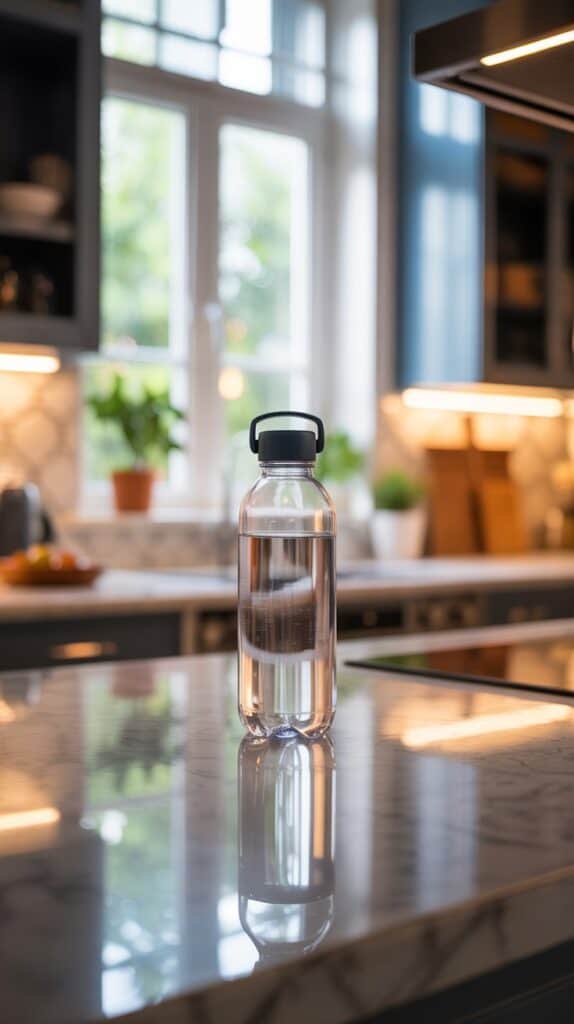
You wake up groggy, not fully awake yet. But the moment you walk into the kitchen, you see your water bottle sitting right on the counter. Without thinking, you take a sip. No motivation required, the cue did the work.
How to Apply It:
- Habits stick when they’re visible.
- If you want to do something consistently, make it impossible to ignore.
- Hide Friction. Highlight the behavior.
Key Insight:
Your environment should support your habits, not test them.
2. Place Visual Cues Where the Habit Happens
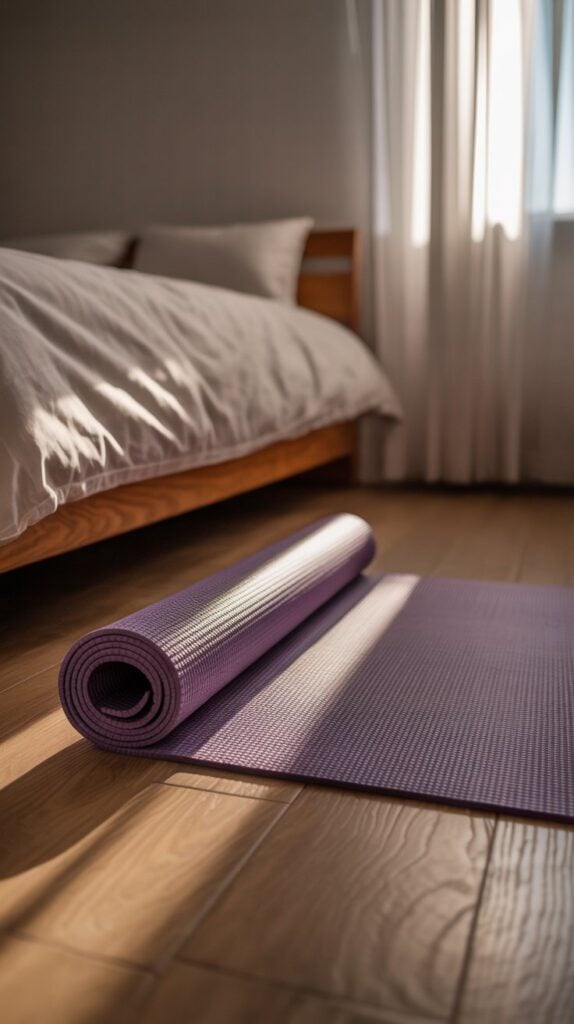
The most effective cues live exactly where the habit should occur.
A habit reminder placed in the wrong spot becomes invisible.
Picture This:
You want to stretch every morning. Instead of keeping your yoga mat folded in a closet, you leave it rolled out beside your bed. When your feet touch the floor, the mat is already waiting for you.

How to Apply It:
- Match the cue to the habit’s location.
- Ask yourself: Where do I want this habit to happen?
- Place the cue directly in your line of sight in that space.
Examples:
- Journal on your nightstand → nightly reflection
- Vitamins beside your coffee machine → daily supplements
- Sneakers by the door → movement habit
Key Insight:
If a habit requires extra steps to remember, it won’t last.
3. Reduce Friction with “Ready-to-Go” Visuals

The easier something looks, the more likely you are to do it.
Visual cues work best when they signal readiness, not effort.
Picture This:
You want to read more at night. Instead of thinking about it abstractly, you place a book on your pillow each morning. By bedtime, the decision has already been made.

How to Apply It:
- Prep your habit visually in advance.
- Remove setup steps that cause hesitation.
- Let the cue say: “This is already done.”
Examples:
- Pre-filled water bottle
- Laid-out workout clothes
- Open a notebook with a pen placed diagonally
Key Insight:
Habits fail in the setup phase, not the action phase.
4. Use Visual Reminders for “Invisible” Habits
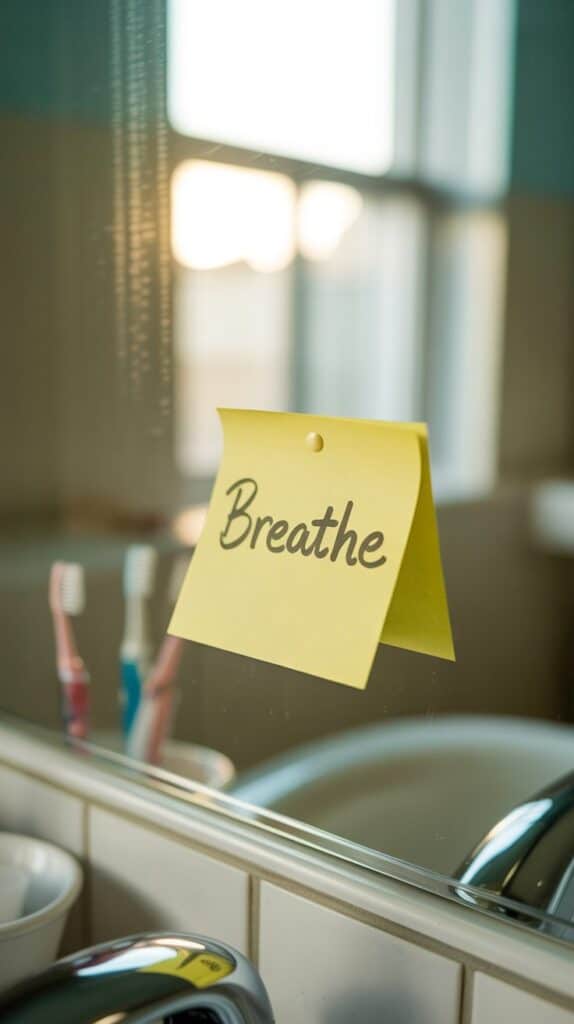
Some habits aren’t physical, like mindset shifts, gratitude, or slowing down. These still need cues.
Picture This:
You place a small sticky note on your mirror that says, “Breathe.” Every morning while brushing your teeth, you pause and take one deep breath. That single cue changes your nervous system for the day.

How to Apply It:
- Turn internal habits into visual prompts.
- Keep wording short and gentle.
- One cue = one action.
Examples:
- “Drink water,” note on your desk
- “Pause” reminder on your phone lock screen
- “One thing at a time” card near your planner
Key Insight:
Your mind responds better to prompts than pressure.
5. Stack Visual Cues onto Existing Habits

Habit stacking becomes effortless when visuals guide the sequence.
Picture This:
Your journal is placed directly on top of your laptop every night. When you sit down to work in the morning, you journal first, not because you planned to, but because the cue guided you there.
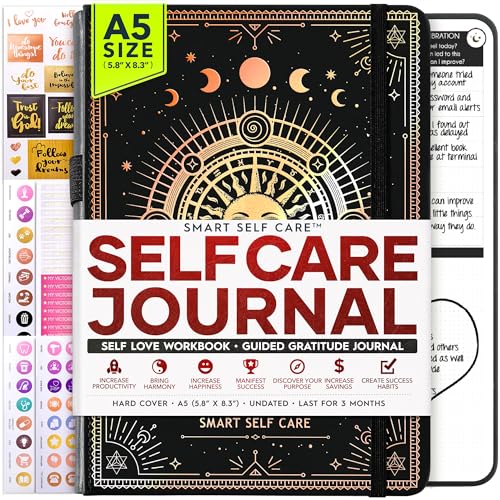
How to Apply It:
- Identify an existing habit.
- Add a visual cue on top of it.
- Let the cue create a natural order.
Examples:
- Journal on keyboard → write before scrolling
- Tea mug beside planner → plan while sipping
- Stretch band on chair → move before sitting
Key Insight:
The brain loves patterns; visuals help create them.
6. Use Aesthetic Cues You Actually Enjoy Seeing
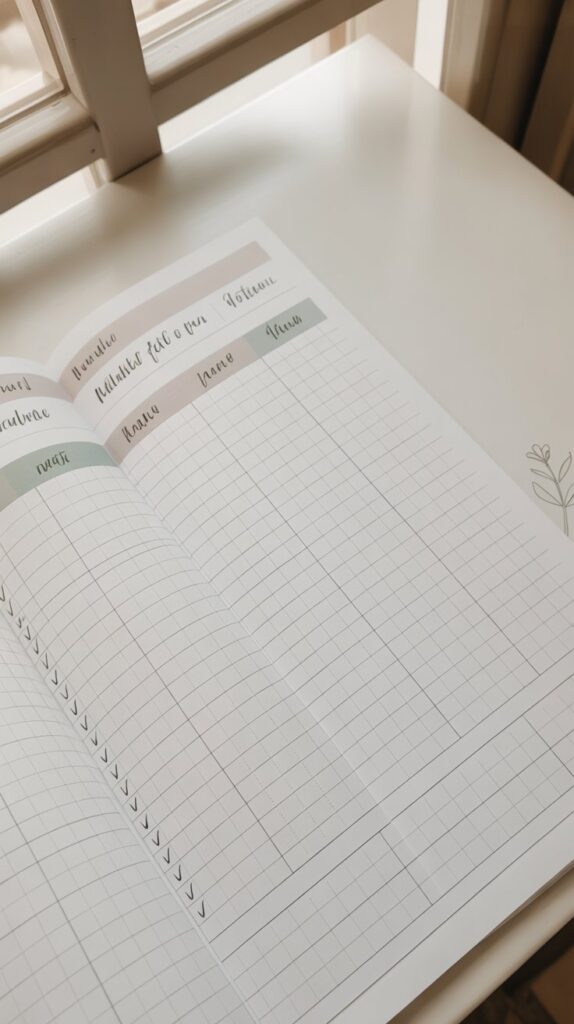
If your visual cue feels annoying, cluttered, or ugly, you’ll avoid it.
Habits stick better when the cue feels aligned with your personal aesthetic and lifestyle.
Picture This:
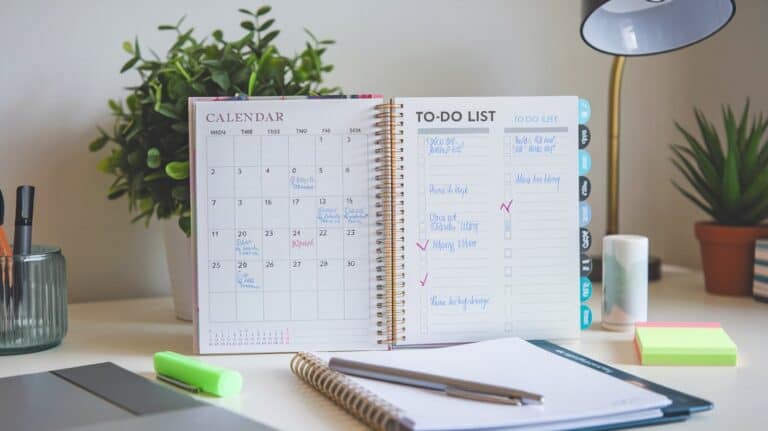
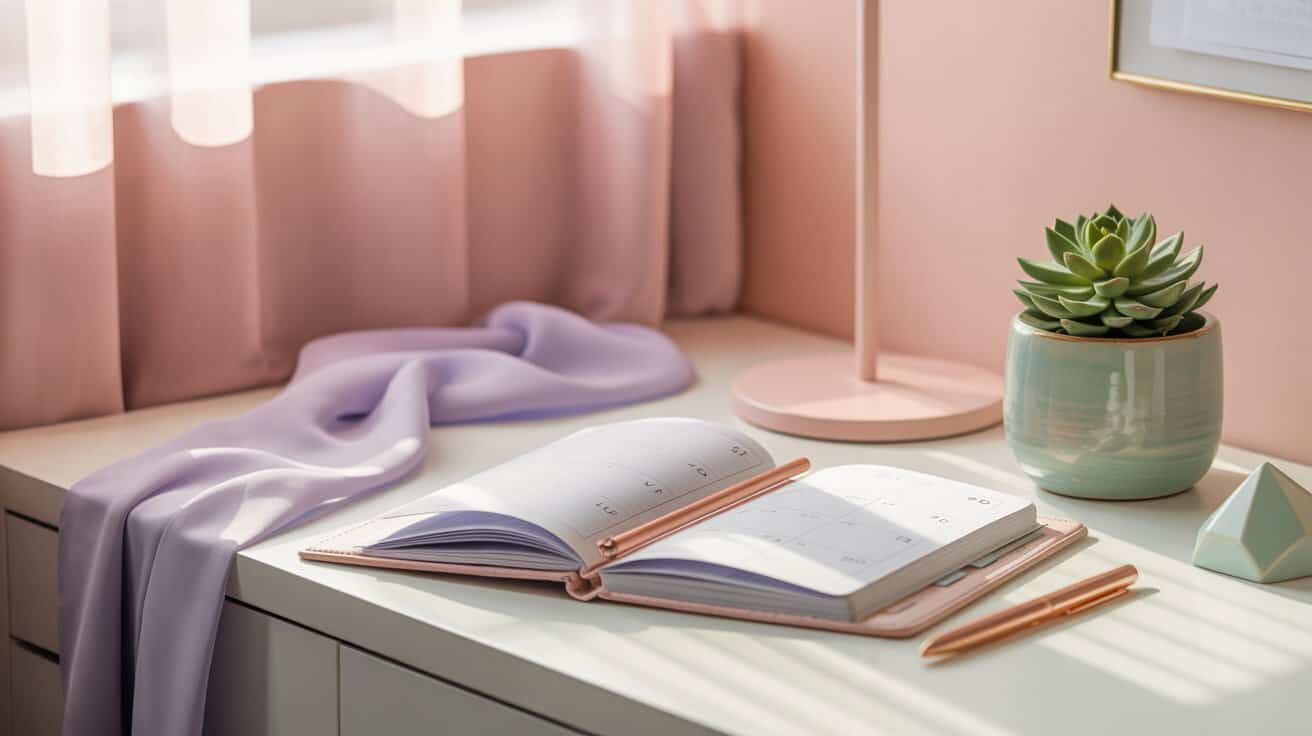
Instead of a loud, aggressive habit chart, you use a soft, neutral planner page with gentle checkmarks. Tracking your habit feels calming rather than a chore.

How to Apply It:
- Choose cues that feel soothing or inspiring.
- Match colors, textures, and fonts to your environment.
- Let your cue feel like decor, not discipline.
Examples:
- Minimalist habit tracker
- Neutral-toned sticky notes
- Soft-toned planner pages
Key Insight:
When a habit looks good, it feels easier.
7. Rotate Visual Cues Before They Fade into the Background
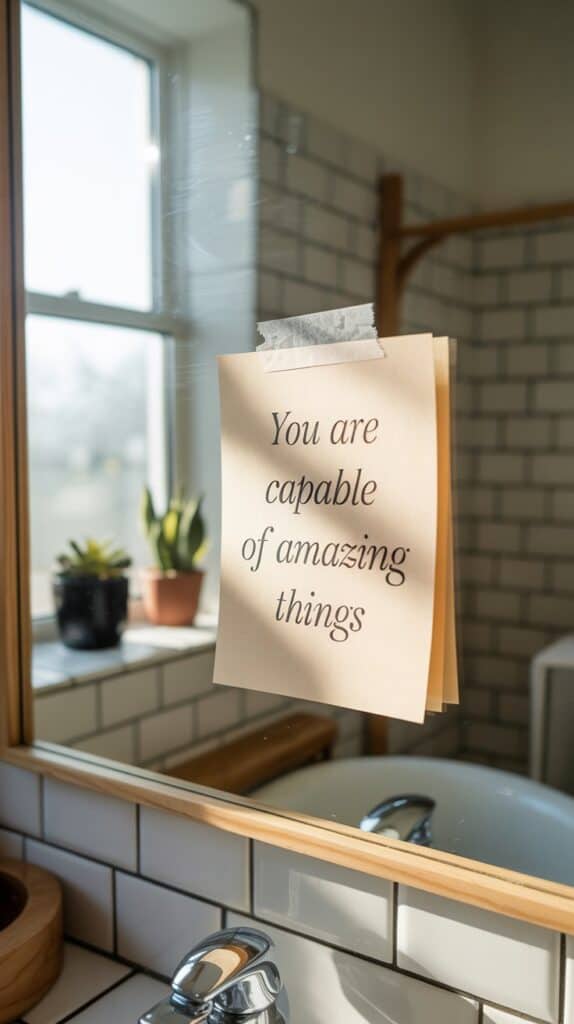
The brain adapts quickly. A cue that once worked can become invisible over time.
Refreshing your cues keeps them effective without needing more motivation.
Picture This:
Your affirmation card has been on your desk for weeks. One day, you move it to your bathroom mirror instead. Suddenly, you notice it again, and the habit feels fresh.

How to Apply It:
- Move cues every few weeks.
- Change colors, placement, or format.
- Keep the message the same, but refresh the presentation.
Examples:
- Switch sticky note colors
- Rotate affirmation cards weekly
- Move trackers between rooms
Key Insight:
Habits don’t need intensity; they need renewal.
8. Make Progress Visually Obvious
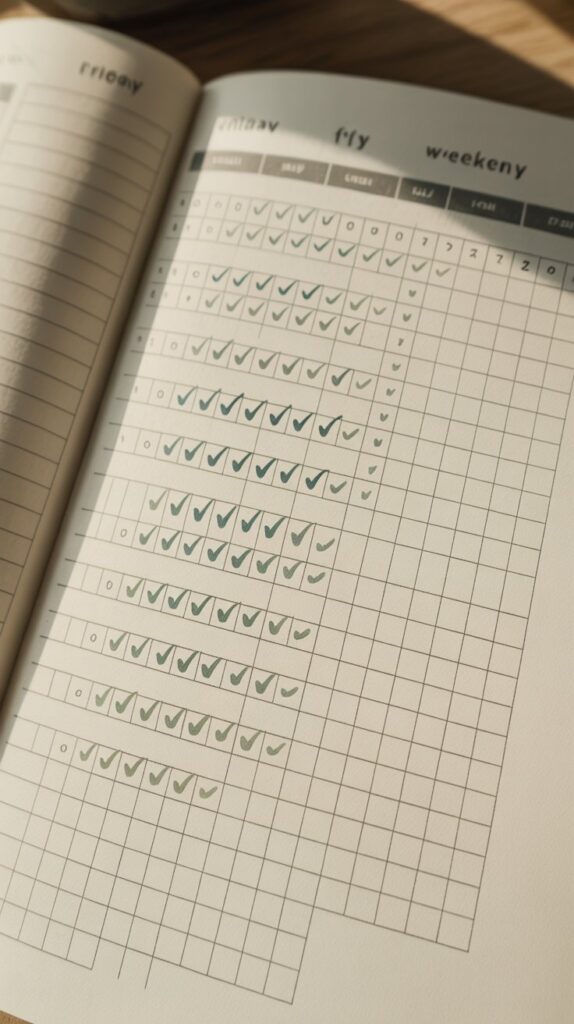
Seeing progress reinforces consistency.
When your effort becomes visible, motivation follows naturally.
Picture This:
You use a simple weekly habit grid. Each completed habit gets a soft checkmark. By Friday, the page feels full, and you don’t want to break the pattern.

How to Apply It:
- Track habits visually, not mentally.
- Keep progress visible and straightforward.
- Focus on consistency, not perfection.
Examples:
- Weekly habit tracker
- Checkmark calendar
- Progress dots or lines
Key Insight:
What you can see, you’re more likely to continue.
9. Design Your Space to Reflect the Person You’re Becoming
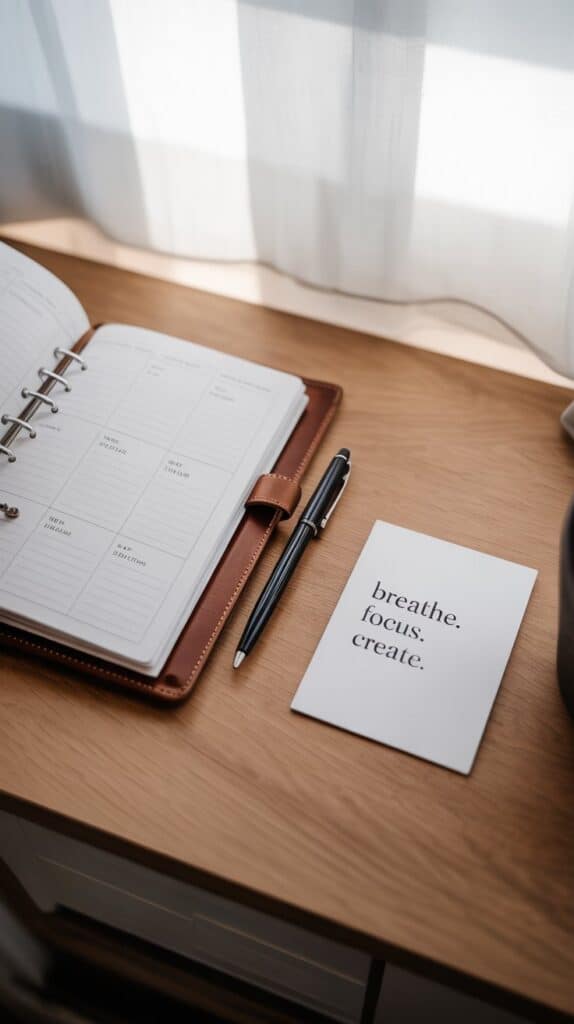
Your environment should reflect your future self, not your past habits.
Visual cues help you step into that identity gently.
Picture This:
Your desk holds only a planner, a pen, and a calm reminder card. No clutter. No chaos. Just clarity. You sit down and naturally behave like the focused, intentional version of yourself.

How to Apply It:
- Remove visual cues tied to habits you’re letting go of.
- Highlight cues that support who you want to be.
- Let your space evolve with you.
Key Insight:
You act in alignment with what your environment reflects.
Final Thoughts: Let Your Space Do the Work
Effortless habits don’t come from pushing harder; they come from designing smarter.
When your environment gently reminds you, supports you, and removes Friction, habits stop feeling like work and start feeling natural.
So instead of asking, “How do I stay motivated?”
Ask: “What can I change in my space so motivation isn’t required?”
Because when your habits are visible, inviting, and aligned with your life, consistency becomes the easiest choice.
You Might Also Like: