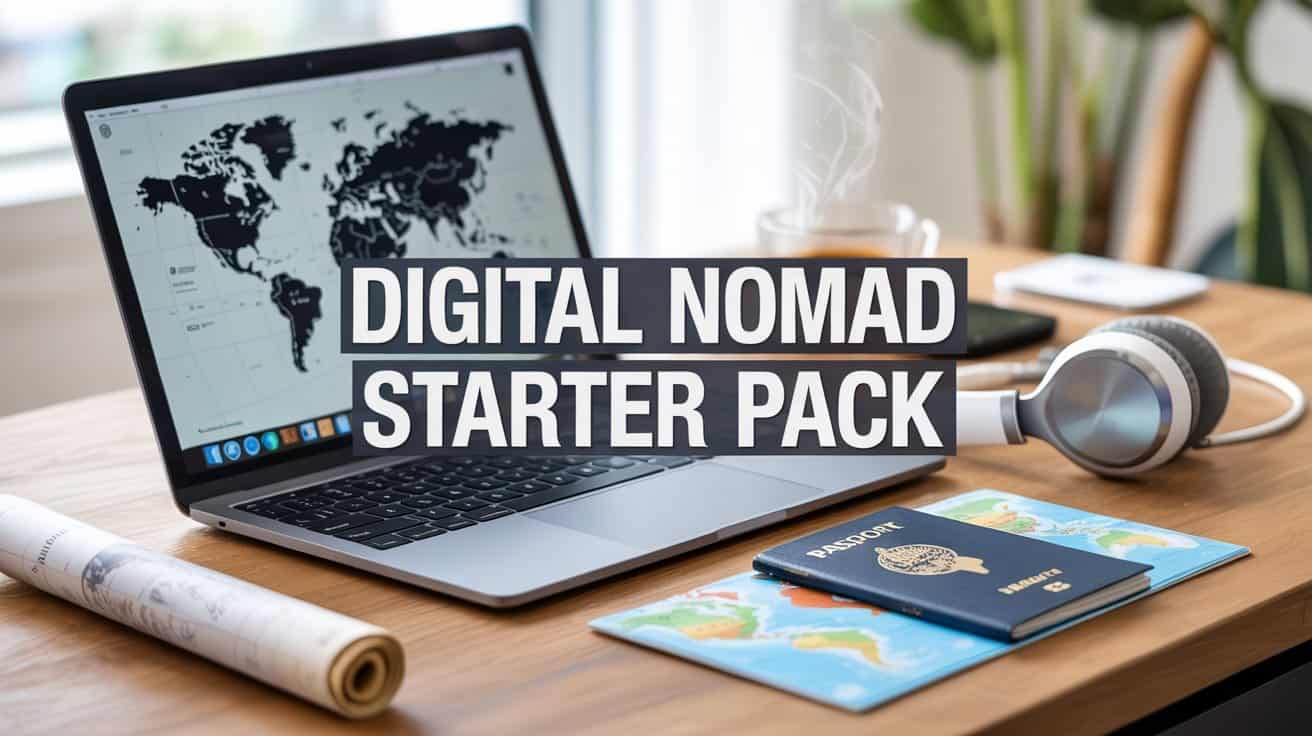
Digital Nomad Starter Pack: Tools, Visas, and Wi-Fi-Friendly Cities
The digital nomad lifestyle has transformed from a niche dream into a mainstream movement. With the rise of remote work, more people than ever are packing their laptops and exploring the world while earning a living online. But being a successful digital nomad requires more than just a plane ticket—it’s about having the right tools, visas, and destinations. This is where a Digital Nomad Starter Pack comes in handy.
This post contains affiliate links. If you make a booking or purchase through them, I may earn a small commission at no extra cost to you.
Here’s your ultimate starter pack for thriving as a digital nomad.
1. Essential Tools for Remote Work
A reliable toolkit can make the difference between stress and productivity on the road.
- Laptop & Backup Storage: Opt for a lightweight laptop with excellent battery life and consider a portable SSD for secure backups.
- Noise-Canceling Headphones: Perfect for working in bustling cafés or airports.
- Portable Wi-Fi Hotspot / eSIM: Stay connected anywhere with Yesim, which offers flexible eSIM plans for travelers.
- Task & Communication Apps: Tools like Slack, Notion, and Zoom keep you organized and in sync with your team.
- Travel Insurance: Protect yourself and your gear with VisitorsCoverage, which offers plans for long-term travelers.
2. Digital Nomad Visas You Should Know About
More countries are now offering visas tailored to remote workers, making it easier to live abroad while you work.
- Portugal: One of the most popular digital nomad visas, allowing remote workers to stay long-term with access to Schengen travel.
- Estonia: Pioneered the digital nomad visa, offering stays up to a year.
- Costa Rica: Offers a “Rentista” visa with conditions suitable for freelancers and remote workers.
- Croatia: Recently launched a digital nomad visa for stays up to a year with no local income tax.
- Mexico: Provides temporary resident visas that can last up to four years—ideal for nomads seeking flexibility.
Pro Tip: Always check the latest requirements from official government websites before applying.
3. Wi-Fi-Friendly Cities for Nomads
Some cities are better designed for remote work, with coworking spaces, strong internet, and thriving nomad communities.
- Chiang Mai, Thailand: Affordable living, countless coworking cafés, and an extensive digital nomad network.
- Medellín, Colombia: Fast internet, stunning mountain views, and a growing remote work hub.
- Lisbon, Portugal: A hotspot for nomads with creative coworking spaces and a relaxed coastal lifestyle.
- Tbilisi, Georgia, offers a one-year visa for many nationalities and a welcoming community.
- Tallinn, Estonia: Digital nomad–friendly infrastructure and progressive visa policies.
Travel Tip: Use Booking to secure long-stay apartments or co-living spaces with reliable Wi-Fi.
4. Building a Nomad Routine
Success as a digital nomad isn’t just about location—it’s about balance.
- Set a Schedule: Keep regular working hours to stay productive.
- Stay Healthy: Prioritize exercise, healthy eating, and rest while on the road.
- Join Communities: Platforms like Meetup or local Facebook groups help you find like-minded people wherever you are.
- Budget Wisely: Use cost-of-living tools to plan expenses and stretch your income further.
5. Sample Monthly Budget for Digital Nomads
Budgeting is crucial to sustaining the digital nomad lifestyle. Here’s an example of what one month might look like in an affordable destination like Chiang Mai, Thailand:
- Accommodation (co-living or apartment): $400–$600
- Food (eating out & groceries): $250–$400
- Coworking Space / Cafés: $100–$150
- Transport (scooter rental or public transit): $50–$100
- Health Insurance: $60–$100 via VisitorsCoverage
- Leisure & Tours: $150–$250 (weekend trips, excursions, local activities)
- Miscellaneous (gym, SIM card, shopping): $100–$150
Estimated Total: $1,100–$1,750 per month.
Of course, costs vary depending on your lifestyle and chosen city. Living in Lisbon or Mexico City, for example, will be more expensive, while Tbilisi or Bali may be comparable to Chiang Mai.
Final Thoughts
The digital nomad lifestyle offers freedom and adventure, but it requires preparation. With the right tools, knowledge of visa options, and a list of Wi-Fi-friendly cities, you’ll be well on your way to working and exploring the world on your terms.
So pack your laptop, grab your passport, budget wisely, and get ready to live, work, and wander—anywhere the internet can take you.
You Might Also Like: